Choosing the Best Lures for River Trout
Discover which lures are most effective for river trout. Learn about spinners, spoons, and minnow imitations for successful angling.
Landing River Trout: Your Guide to Effective Lure Selection
River trout are notoriously finicky, but with the right lure in your tackle box, you can significantly increase your chances of a successful day on the water. Understanding trout behavior and the types of forage available in their environment is key to selecting a lure they simply can't resist. Forget the endless guesswork; let's dial in on what really works for river trout.
Spinner Lures: The Versatile All-Rounder
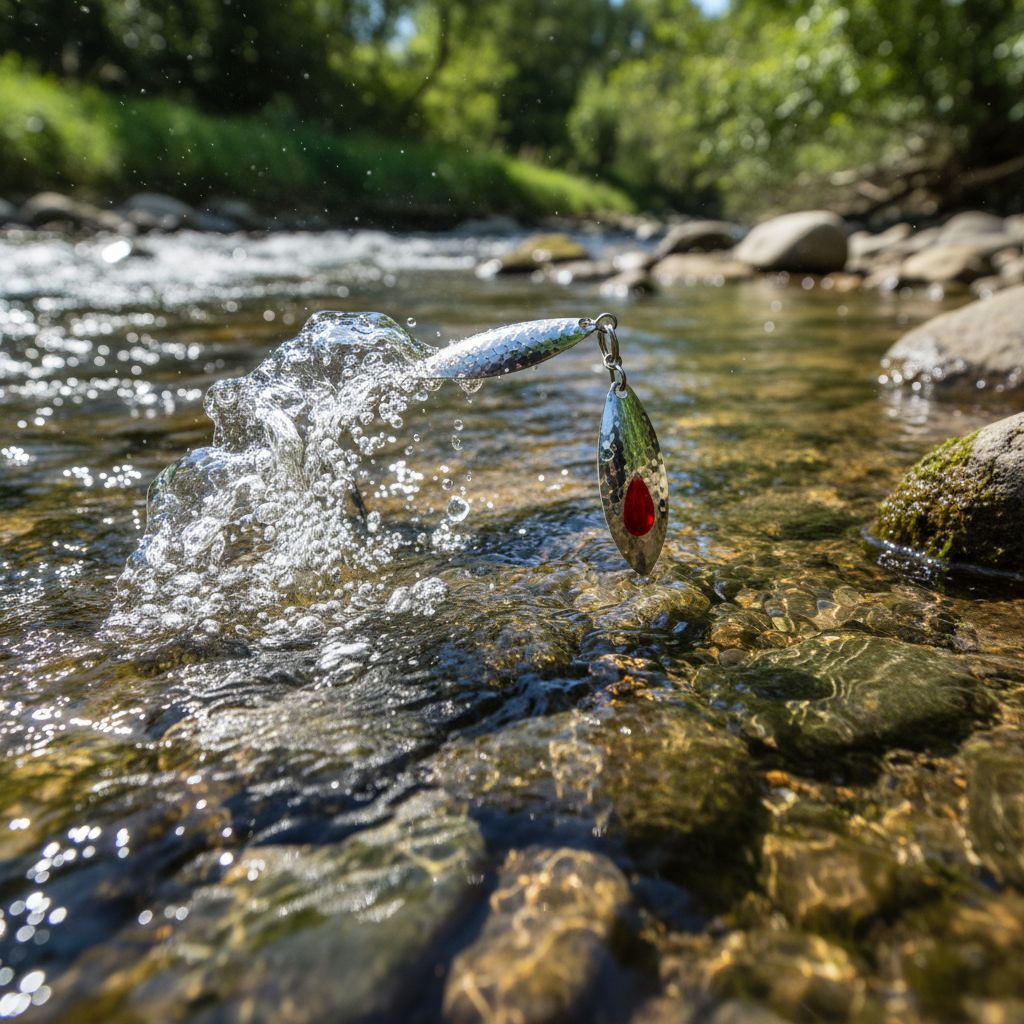
Spinners are a staple for any trout angler, and for good reason. Their flashing blades and vibrating action mimic small baitfish or aquatic insects, triggering aggressive strikes. When fishing in rivers, consider:
- Blade Color: In clear water, natural colors like silver, gold, or black work well. In stained or turbulent water, brighter colors such as chartreuse or orange can be more visible.
- Blade Size: Smaller spinners (size 0-2) are generally best for smaller streams and wary trout, while larger sizes (3-4) can attract bigger fish in wider rivers.
- Action: Opt for spinners with a consistent旋转 action, even in slower currents. The Premium 16-Piece Spinner Lure Kit offers a variety of weights and blade designs perfect for experimenting in different river conditions.
Spoon Lures: Flash and Flutter for Deeper Water
Spoons are another highly effective lure for river trout, especially when targeting deeper pools or when fish are holding close to the bottom. Their wobbling, reflecting action imitates a dying baitfish, an easy meal for opportunistic trout.
- Weight and Size: Heavier spoons can be cast further and sink faster, reaching trout in deeper runs. Lighter spoons have a more erratic, fluttering fall, which can entice strikes on the retrieve.
- Color Patterns: Bright, reflective colors like chrome and brass are proven trout attractors. Some spoons also feature intricate painted patterns that mimic juvenile trout or other forage.
Minnow Imitations: Realism That Pays Off
When trout are feeding on baitfish, nothing beats a realistic minnow imitation. These lures come in various forms, including crankbaits, jerkbaits, and soft plastics, all designed to mimic the swimming action and appearance of small fish.
- Diving Depth: Choose lures that run at the depth where trout are actively feeding. Shallow-diving crankbaits work well in shallower riffles, while deeper-diving models can probe the depths of larger pools.
- Action: Look for lures with a tight wobble or erratic darting action to entice strikes. The Premium Bionic Minnow Fishing Lure is an excellent choice, known for its lifelike swim and ability to attract aggressive trout.
Fly Fishing for River Trout: A Classic Approach
While this post focuses on conventional lures, it's worth noting that fly fishing is a revered and highly effective method for river trout. A well-placed dry fly, nymph, or streamer can be irresistible. Consider exploring a dedicated fly fishing set like the Premium Fly Fishing Lure Set for a different kind of angling challenge.
Tips for Success
- Vary Your Retrieve: Don't just cast and reel. Experiment with different retrieve speeds, pauses, and twitches to find what triggers strikes.
- Match the Hatch (or Forage): Observe the river for any signs of natural forage, whether it's insects hatching or small baitfish darting around. Choose lures that mimic these food sources.
- Fish Structure: Trout love to hide near structure like fallen trees, rocks, and undercut banks. Cast your lures close to these areas.
- Stealth is Key: River trout are easily spooked. Approach fishing spots quietly and avoid casting shadows over the water.
By understanding these lure types and adopting a thoughtful approach, you'll be well on your way to more memorable days catching river trout. Good luck, and tight lines!