
Choosing the Best Lures for Bass Fishing Success
Improve your bass fishing game! Discover top lures, retrieve tips, and how to select the perfect bait for different conditions and bass species.
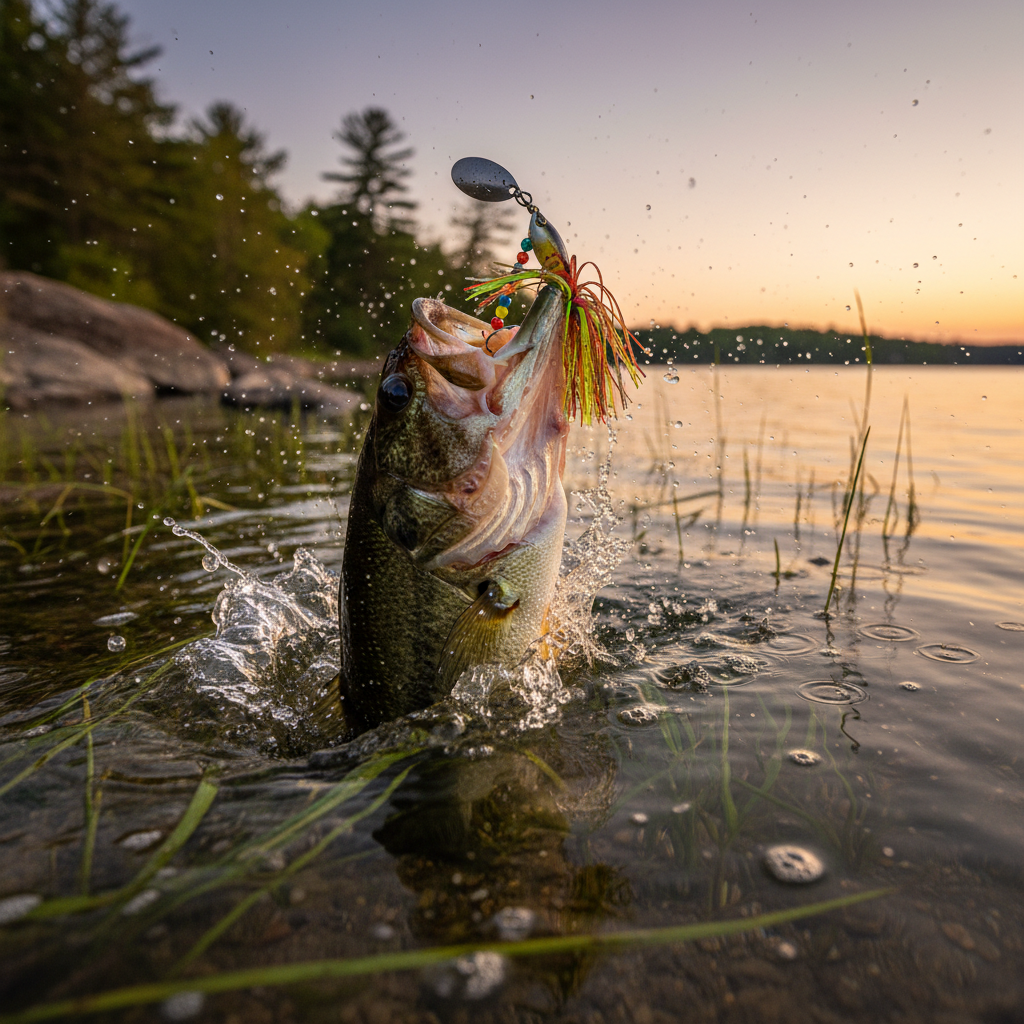
Hook More Bass: A Guide to Choosing the Best Lures
Bass fishing is a thrilling pursuit, demanding a keen understanding of fish behavior and, perhaps most importantly, lure selection. The right lure, presented at the right time, can be the difference between a frustrating day and a trophy catch. With an overwhelming array of options available, knowing where to start can be daunting. This guide will help you navigate the world of bass lures and elevate your success on the water.
Understanding Bass Behavior and Habitat
Before picking a lure, consider the bass you're targeting. Largemouth, smallmouth, and spotted bass each have unique preferences and inhabit different environments. Largemouth bass often lurk in shallow, cover-rich areas, while smallmouth prefer deeper, rocky structures. Understanding these tendencies will inform your lure choices.
- Largemouth Bass: Think heavy cover – lily pads, submerged timber, weed lines. They ambush prey.
- Smallmouth Bass: Look for rocky bottoms, drop-offs, current. They are aggressive predators.
- Spotted Bass: Often found in rivers and clear lakes, blending characteristics of both largemouth and smallmouth.
Essential Lure Categories for Bass
Your tackle box should be equipped with a diverse range of lures to adapt to different conditions and bass moods.
#### 1. Soft Plastics
Soft plastics are incredibly versatile and mimic a wide array of bass prey. Worms, creature baits, and swimbaits fall into this category. They are excellent for tempting finicky bass or fishing in heavy cover.
- Texas Rig: Ideal for weedless presentations in dense cover.
- Carolina Rig: Great for expansive main lake points and humps, excellent for probing deeper water.
- Weightless Worms: Perfect for a subtle, natural fall in clear water.
#### 2. Crankbaits
Crankbaits are designed to dive to specific depths, making them perfect for covering water quickly and targeting bass at various levels of the water column. They come in lipped and lipless varieties.
- Shallow-Diving: Effective for targeting bass in 2-6 feet of water, often near shorelines or submerged grass.
- Deep-Diving: Reach depths of 10-20+ feet, ideal for offshore structure and ledges.
- Squarebills: Excellent for bouncing off cover without snagging, triggering reaction strikes.
#### 3. Spinnerbaits and Chatterbaits
These lures create a lot of flash and vibration, making them highly effective in stained or murky water, or when bass are aggressive. They are also incredibly weedless.
- Spinnerbaits: The thumping blades and skirt mimic baitfish and crawfish, drawing strikes from aggressive bass. Consider a Premium Spinnerbait Kit for varied conditions.
- Chatterbaits: Known for their unique vibrating action, they combine the flash of a spinnerbait with the erratic movement of a crankbait.
#### 4. Topwater Lures
Nothing beats the excitement of a topwater strike! Poppers, walking baits, and frogs are designed to be fished on the surface, creating irresistible disturbances that draw bass up from below.
- Poppers: Create a splashing and gurgling sound that mimics a struggling baitfish.
- Walking Baits: Perform a 'walk-the-dog' retrieve, a side-to-side motion that imitates an injured baitfish.
- Frog Lures: Designed for heavy slop and lily pads, they are completely weedless and tempt bass hiding in dense cover.
Matching Lures to Conditions
The most successful anglers adapt their lure choices to prevailing conditions:
- Water Clarity: In clear water, opt for more natural colors and subtle presentations. In stained or muddy water, choose bright colors and lures with strong vibration.
- Light Conditions: Darker days or low light often call for darker-colored lures. Bright sunny days can warrant more natural or reflective patterns.
- Water Temperature: As water temperature fluctuates, so does bass activity. In colder water, slow down your retrieve and use smaller baits. In warmer water, bass are more active and respond well to faster retrieves and more aggressive lures.
- Forage Base: Observe what the bass are feeding on. Are there schools of baitfish? Crayfish in the rocks? Match your lure to the prevalent food source.
Retrieve Techniques for Each Lure Type
Once you’ve chosen your lure, the retrieve is critical. Experiment with different speeds and actions.
- Soft Plastics: Often best with a slow, deliberate retrieve, bouncing off the bottom or twitching through cover.
- Crankbaits: A steady retrieve works well, but incorporate pauses and rips to entice strikes.
- Spinnerbaits/Chatterbaits: A medium, consistent retrieve is a good starting point, but burning them or slow-rolling them can also be effective.
- Topwater Lures: Vary your retrieve to imitate struggling prey. Pop, pause, and twitch for poppers; a steady 'walk' for walking baits.
By understanding bass behavior, diversifying your lure selection, and adapting your techniques to conditions, you'll be well on your way to consistent bass fishing success. Tight lines!