Choosing the Best Lures for Bass Fishing
Unlock the secrets to successful bass fishing! Learn how to choose the right lures for different conditions and techniques to land more trophy bass.
Choosing the Best Lures for Bass Fishing
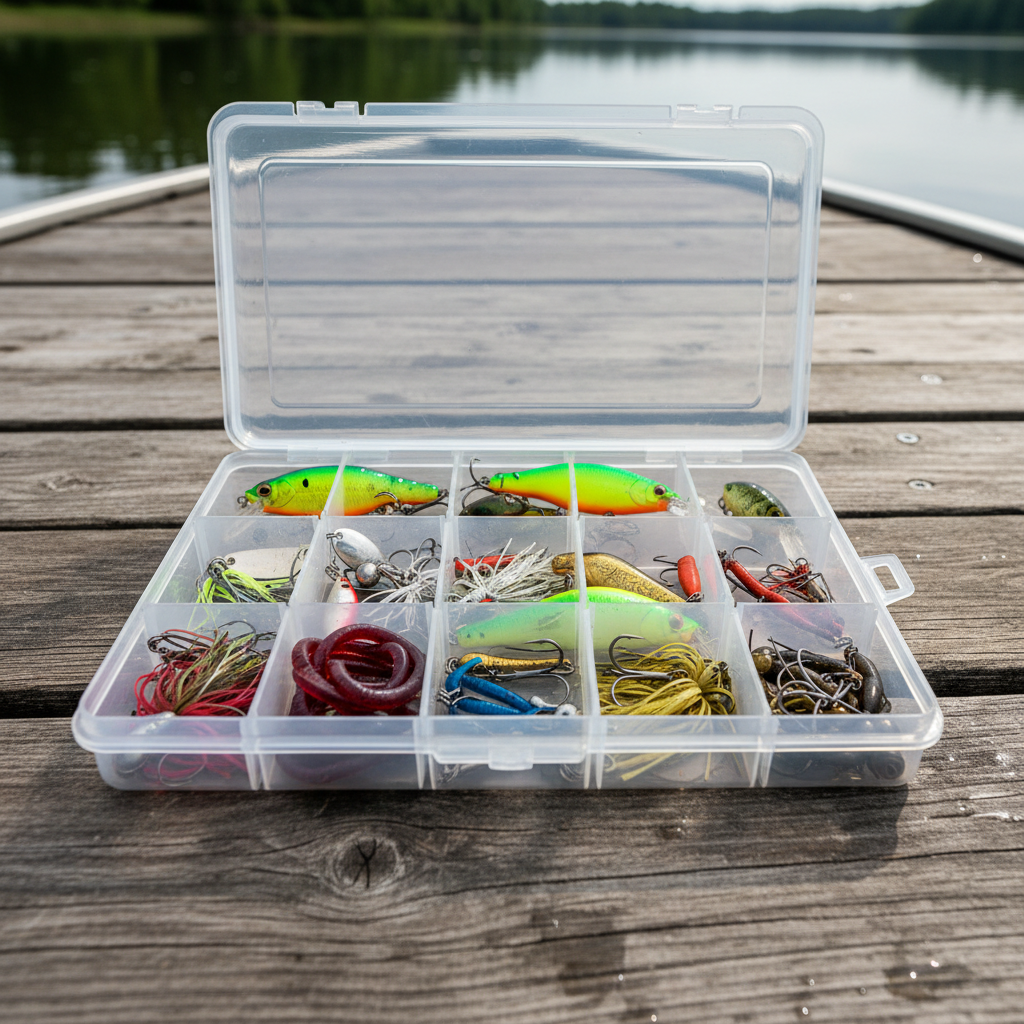
Bass fishing is an exhilarating pursuit, and the right lure can be the difference between a slow day and an unforgettable experience. With an overwhelming array of options on the market, understanding how to select the best lures for various conditions, water types, and bass behaviors is crucial. This guide will help you navigate the world of bass lures, ensuring you're always armed with the perfect presentation.
Understanding Bass Behavior and Habitat
Before diving into lure selection, it's essential to grasp where bass hide and what triggers their strikes. Bass are apex predators, constantly seeking food and cover. Their preferences can shift based on season, water temperature, time of day, and even weather patterns.
- Structure: Bass love structure – everything from submerged trees and rock piles to docks and lily pads. These provide ambush points and protection.
- Cover: Similar to structure, cover offers concealment. Think thick vegetation, fallen logs, and shaded areas.
- Forage: Bass follow their food. Knowing what baitfish or prey insects are prevalent in your fishing area will inform your lure choices.
Top Lure Categories and When to Use Them
Different lures excel in different situations. Here's a breakdown of common categories and their ideal use cases:
Crankbaits
Crankbaits are designed to dive to various depths and mimic injured baitfish. They're excellent for covering a lot of water quickly.
- Shallow Divers (0-5 ft): Ideal for targeting bass in shallow flats, around weeds, or over submerged grass beds. These are perfect for active bass in warmer water.
- Medium Divers (6-12 ft): Versatile for probing points, humps, and the edges of ledges.
- Deep Divers (12+ ft): Essential for reaching bass in deeper water, along creek channels, and offshore structures. (Check out our deep-diving crankbaits)
When to use: When bass are aggressively feeding, or you need to locate active fish over a large area.
Soft Plastics
Soft plastics are incredibly versatile and can imitate a wide range of prey, from worms and crawfish to baitfish. Their lifelike action and feel make them irresistible to bass.
- Worms: Classic bass lures, effective year-round. Rigged Texas, Carolina, or wacky style, they can tempt even the most finicky bass.
- Creature Baits: Designed to mimic crawfish or other aquatic creatures, these are fantastic for flipping and pitching into heavy cover.
- Swim Baits: Replicate baitfish and are excellent for enticing big strikes from opportunistic bass.
When to use: When bass are lethargic, hiding in heavy cover, or when a subtle presentation is required.
Spinnerbaits and Chatterbaits
These lures combine flash, vibration, and erratic movement to call bass from a distance.
- Spinnerbaits: Feature one or more blades that spin, creating flash and vibration. Great for fishing through vegetation or stained water. (Explore our premium spinnerbaits)
- Chatterbaits (Bladed Jigs): Offer a unique, erratic swimming action with a vibrating blade. Excellent for a wide range of conditions and known for triggering reactionary strikes.
When to use: In stained or murky water, windy conditions, or when bass are scattered and you need to cover water efficiently.
Factors to Consider When Selecting a Lure
- Water Clarity: In clear water, opt for more natural colors and subtle presentations. In murky water, bright colors and noisy lures are more effective.
- Water Temperature: Cooler water often means slower retrieves and smaller, more subtle lures. Warmer water allows for more aggressive presentations and larger baits.
- Cover and Structure: Choose weedless rigs for heavy cover, and consider diving depths for open water or specific structures.
- Time of Day/Season: Bass behavior changes seasonally. Mornings and evenings often call for topwater, while midday might require deeper presentations.
By understanding these lure categories and considering the prevailing conditions, you'll be well on your way to making informed decisions and catching more bass. Experiment, learn from your experiences, and enjoy the thrill of the chase!