Choosing the Best Camping Tent for Your Next Adventure
Discover how to select the perfect camping tent. Learn about different types, features, and considerations for warmth, space, and durability.
Choosing the Best Camping Tent for Your Next Adventure
Embarking on a camping adventure promises fresh air, stunning views, and an escape from the daily grind. But a successful trip hinges on one crucial piece of gear: your tent. It's your home away from home, offering shelter from the elements and a cozy spot to recharge. With countless options on the market, choosing the right tent can feel overwhelming. This guide will help you navigate the choices and find the perfect sanctuary for your next outdoor escapade.
Understanding Tent Types and Their Uses
Not all tents are created equal. Different designs cater to specific camping styles and conditions:
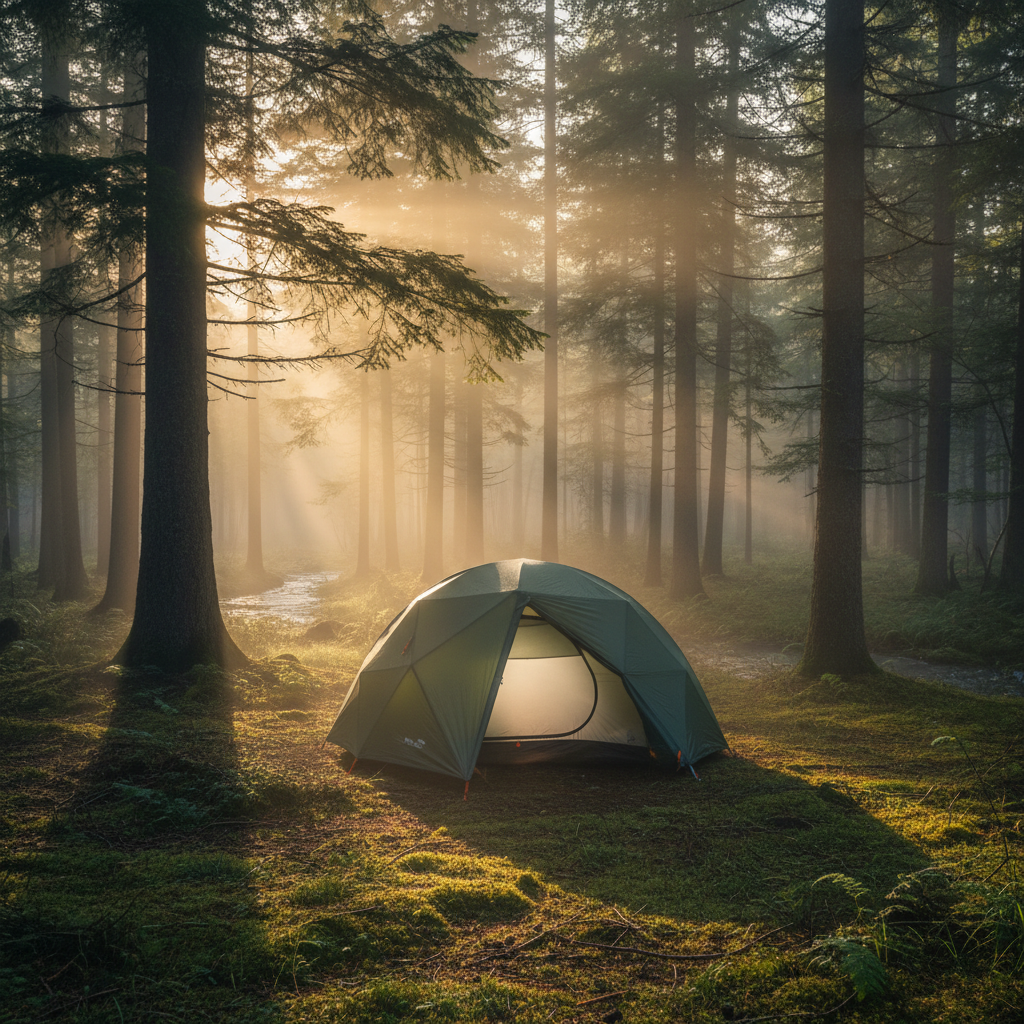
- Dome Tents: Popular for their stability and ease of setup, dome tents offer good headroom and can withstand moderate winds. They're versatile for car camping and backpacking.
- Tunnel Tents: Known for their excellent space-to-weight ratio, tunnel tents are ideal for families or groups needing more living area. They require careful pitching for stability.
- Cabin Tents: Featuring near-vertical walls, cabin tents maximize interior space and headroom, making them perfect for car camping where comfort is a priority. They may be less stable in high winds.
- Backpacking Tents: Prioritizing lightweight materials and compact design, these tents are built for adventurers who carry their shelter on their backs. They often sacrifice some space for portability.
- Pop-Up Tents: The ultimate in convenience, pop-up tents deploy almost instantly. Best for casual camping or festivals where speed of setup is key, but often less durable in harsh weather.
Key Features to Consider When Buying a Tent
Once you have an idea of the tent type, delve into these critical features to ensure it meets your specific needs:
Season Rating
- 3-Season Tents: The most common type, suitable for spring, summer, and fall camping in mild to moderate conditions. They offer good ventilation and protection from rain.
- 4-Season Tents (or Mountaineering Tents): Designed for extreme cold, heavy snow, and strong winds. They have robust frames and less mesh for insulation, making them heavier.
Capacity and Space
Consider how many people will be sleeping in the tent, plus any gear you'll need to store inside. Most tents are rated by the number of sleepers (e.g., 2-person, 4-person). If you value extra room, consider going one size up from your actual group size. Look at peak height and floor dimensions.
Weight and Packability
For backpacking, every ounce counts. Ultralight materials and compact designs are paramount. For car camping, weight is less of an issue, allowing for more spacious and feature-rich options.
Durability and Materials
- Tent Body Fabrics: Polyester and nylon are common, with different denier (D) ratings indicating fabric thickness and durability. Higher denier means more robust fabric.
- Rainfly: The waterproof outer layer. Look for high hydrostatic head (HH) ratings, which indicate how much water pressure the fabric can withstand before leaking. Seam-sealed rainflies are essential.
- Poles: Aluminum poles are durable and lighter than fiberglass. Look for DAC or Easton brand poles for superior quality.
- Floor: A bathtub-style floor, where the seams are elevated off the ground, prevents water seepage.
Ventilation and Weather Protection
Good ventilation prevents condensation buildup inside the tent, which can make things feel damp and cold. Look for multiple vents and mesh panels. For weather protection, a full-coverage rainfly is crucial. Ensure zippers are robust and easy to operate even in the dark.
Ease of Setup
Some tents are incredibly intuitive to pitch, while others require more practice. Practice setting up your tent at home before your trip to avoid frustration at the campsite. Color-coded poles and clips can significantly speed up the process.
Our Explorer's Haven Tent offers a fantastic balance of durability and ease of setup for your weekend adventures.
By carefully considering these factors, you can confidently choose a camping tent that will provide reliable shelter and enhance your outdoor experiences for years to come. Happy camping!