
Best Lures for Bass Fishing: A Seasonal Guide
Discover the top bass fishing lures for every season. Learn what to throw and when to maximize your catch rates on your next bass fishing adventure.
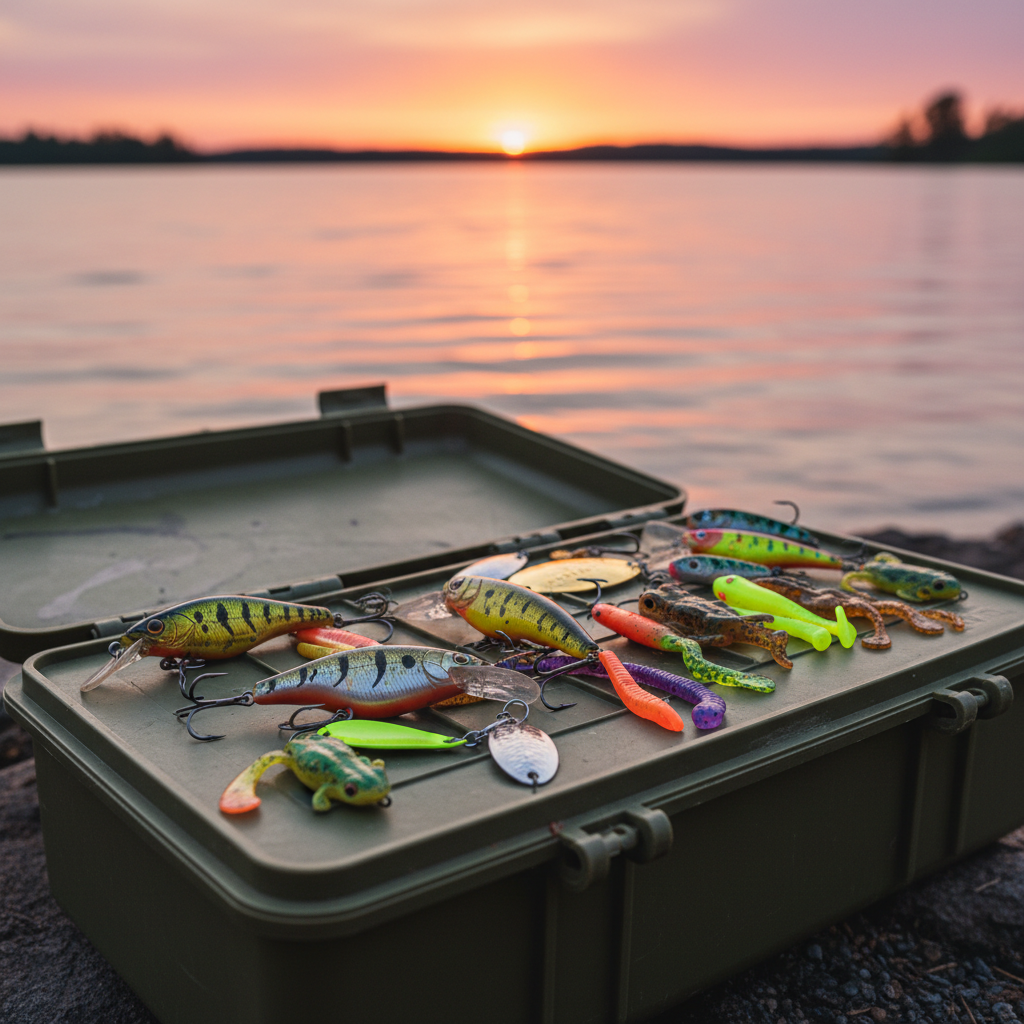
Unlock More Bites: Your Seasonal Guide to Bass Lures
Bass fishing is a passion for millions, but consistently catching these elusive fighters requires more than just luck. It demands understanding, especially when it comes to lure selection. The most effective lure often isn't the flashiest or the newest; it's the one that best mimics natural forage and triggers a strike in the specific conditions you're facing. This guide will walk you through the best bass lures for each season, helping you make informed decisions that lead to more fish in the boat.
Why Seasons Matter for Lure Choice
Bass behavior, diet, and location change dramatically throughout the year, primarily influenced by water temperature and light conditions. What works in the chilly waters of early spring will likely be ignored in the heat of summer. By matching your lure selection to the season, you're presenting an offering that bass are naturally inclined to strike, drastically increasing your success.
Spring: The Awakening and Spawn
Spring is a time of transition. As water temperatures rise, bass move from deep winter haunts to shallower waters to feed aggressively before, during, and after the spawn. They're often lethargic in early spring but become incredibly active as the water warms.
- Early Spring (Cold Water, Pre-Spawn): Bass are sluggish but looking for substantial meals. Slow-moving baits are key.
* Jigs: Flipping jigs and football jigs (1/4 - 1/2 oz) worked slowly along bottom transitions or around cover are deadly. Add a bulky trailer for more appeal. Colors like black/blue or green pumpkin are excellent.
* Jerkbaits: Suspending jerkbaits are fantastic when bass are holding in specific depths. Twitch, pause, twitch – the key is long pauses (5-10 seconds). Natural baitfish colors work well.
* Lipless Crankbaits: Can cover water quickly and elicit reaction strikes, especially around shallow grass. Use a retrieve that allows it to tick the tops of submerged vegetation.
- Late Spring (Warming Water, Spawn & Post-Spawn): Bass are either on beds, guarding fry, or recovering. They're aggressive but can be protective.
* Soft Plastics: Wacky worms, creature baits, and senkos are phenomenal for pitching into bedding areas. Bass often pick them up to move them away from their nests. For example, our Pro-Series Worms come in a range of natural colors ideal for this.
* Spinnerbaits: Excellent for covering flats and targeting active, cruising bass. Choose tandem blades (Colorado/Willow) in lighter colors for brighter days.
Summer: Heat and Hydration
Summer brings hot water temperatures, pushing bass deeper or into heavy cover to seek cooler, oxygenated water. They become more nocturnal or feed during low-light periods.
- Deep Diving Crankbaits: When bass retreat to cooler, deeper structures, a deep-diving crankbait is your best friend. Choose models that reach the depth where fish are holding. Crawfish and baitfish patterns are effective.
- Topwater Lures: Early mornings and late evenings are prime for topwater action. Poppers, walk-the-dog baits, and frogs over matted vegetation can trigger explosive strikes. The Stealth Frog Lure is particularly effective in heavy cover.
- Texas-Rigged Worms/Creature Baits: For punching through thick mats or fishing heavy cover, a heavy Texas-rigged worm or creature bait is indispensable. Use heavier weights (1/2 oz+) to penetrate cover.
- Jigs (again!): Football jigs or casting jigs fished slowly on deep ledges and humps can still produce. Bass love an easy meal in the heat.
Fall: The Feeding Frenzy
As temperatures cool and days shorten, bass enter a major feeding period to fatten up for winter. They become highly aggressive and often chase baitfish.
- Spinnerbaits: Excellent for covering water and mimicking fleeing baitfish. Use larger blades and brighter colors as the water cools and clarifies.
- Bladed Jigs (Chatterbaits): Offer a unique vibration and flash that bass can't resist, especially when retrieved around cover or along weed lines. Often best in natural baitfish colors.
- Crankbaits (Medium to Deep): Bass are often schooling and chasing baitfish, so retrieve crankbaits at varying depths to find active schools. Shad and crawfish patterns are top choices.
- Swimbaits: Soft plastic swimbaits, either rigged on a weighted hook or jig head, can be incredibly effective for imitating larger baitfish that bass are targeting. Slow rolls or steady retrieves work well.
Winter: Slow and Deep
Winter fishing requires patience. Bass are lethargic, conserving energy, and holding tight to deep structure. Slow presentations are critical.
- Jigs: Finesse jigs or football jigs worked agonizingly slow on deep points, humps, and ledges are often the most productive. Subtle twitches are key.
- Blade Baits: Small blade baits jigged vertically can imitate dying baitfish and trigger reaction strikes from cold-water bass.
- Drop Shot Rigs: When bass are extremely finicky, a drop shot rig with a small worm or minnow imitation presented just off the bottom can be irresistible. This allows for long pauses without the bait sinking.
Conclusion: Adaptability is Key
Understanding seasonal bass behavior and matching your lure selection accordingly is a game-changer for any angler. While these are general guidelines, always pay attention to local conditions, water clarity, and forage. Experiment, observe, and don't be afraid to try something new. With this knowledge, you're well on your way to becoming a more consistent and successful bass angler, no matter the season. Happy fishing!