
Beginner's Guide to Bass Fishing: Lures & Techniques
New to bass fishing? This guide covers essential lures and techniques to help beginners catch more bass. Learn about crankbaits, soft plastics, and topwater action!
Beginner's Guide to Bass Fishing: Lures & Techniques
Bass fishing is one of the most popular and exciting forms of freshwater angling. The thrill of a powerful strike, the fight of a strong fish, and the challenge of outsmarting these cunning predators make it incredibly rewarding. If you're just starting your bass fishing journey, the sheer variety of lures and techniques can seem overwhelming. Don't worry! This beginner's guide will break down the essentials, helping you get on the water and start catching bass.
Understanding Bass Behavior
Before you even tie on a lure, it's helpful to understand a bit about bass. Largemouth and Smallmouth bass are predatory fish that inhabit a variety of freshwater environments, from lakes and ponds to rivers and reservoirs. They are ambush predators, often hiding in cover such as submerged vegetation, fallen trees, rock piles, and docks, waiting for an unsuspecting meal to swim by. Their behavior is influenced by water temperature, time of year, and available forage.
Essential Lure Types for Beginners
Starting with a few versatile lure types will cover most bass fishing scenarios. You don't need dozens of lures right away; focus on mastering a few key presentations.
1. Soft Plastic Worms
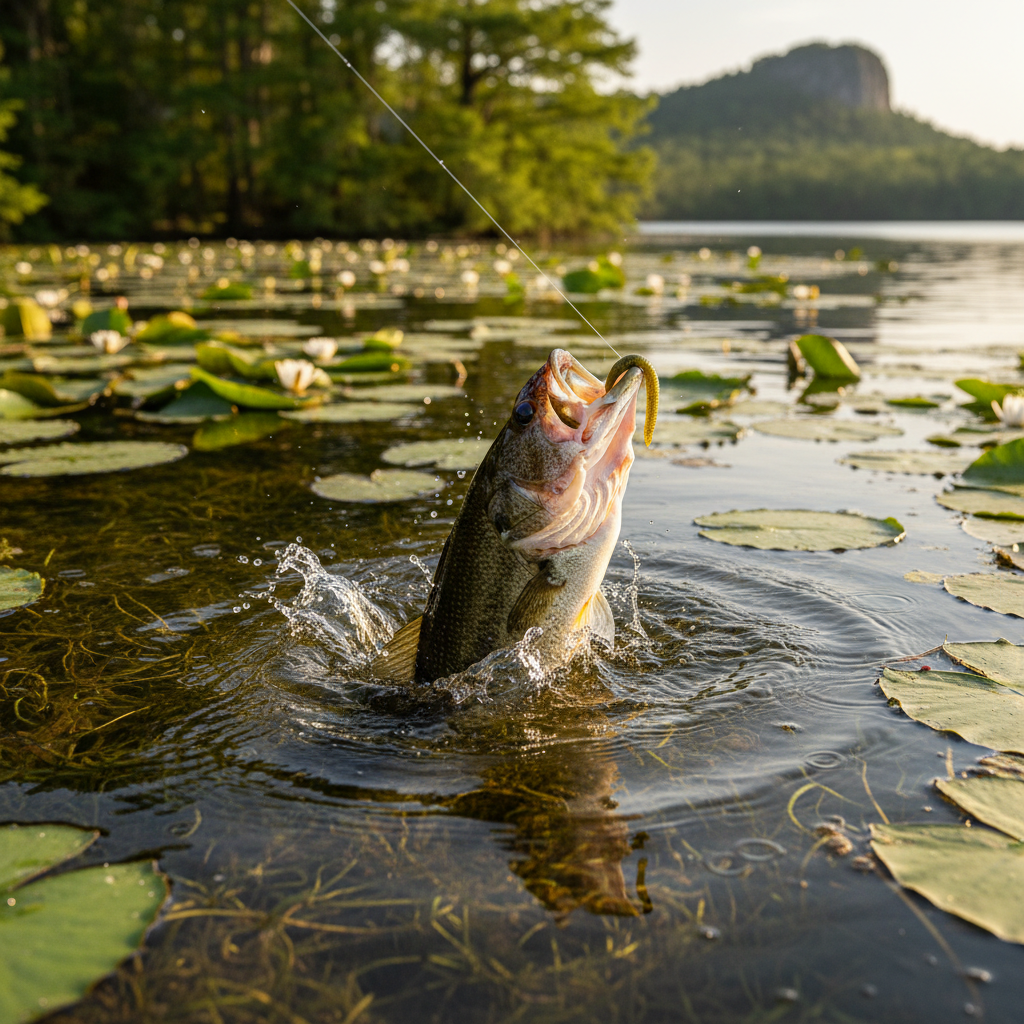
Soft plastic worms are arguably the most versatile and effective bass lures. They mimic a variety of natural prey and can be rigged in countless ways, making them a staple for any bass angler. For beginners, the Texas Rig is an excellent starting point: it's weedless and highly effective in heavy cover. Wacky rigs are also fantastic, offering a unique fluttering action that bass find irresistible. A good selection of Soft Plastic Worms in various colors (green pumpkin, black, june bug) will serve you well.
2. Crankbaits
Crankbaits are hard-bodied lures designed to dive to specific depths when retrieved. They are excellent for covering water quickly and enticing aggressive strikes. Look for shallow-diving crankbaits (for depths up to 5 feet) and medium-diving crankbaits (for depths 5-12 feet). Experiment with different retrieve speeds and pauses to find what the bass prefer on a given day. The wobbling action and bright colors often trigger reaction strikes.
3. Spinnerbaits
Spinnerbaits are incredibly versatile and effective in a wide range of conditions, especially around cover like weeds and timber. They feature a lead head, a skirt, and one or more spinning blades that create flash and vibration in the water. These lures are great for both active bass and those in murky water, as the vibration helps bass locate them easily. Consider a Versatile Spinnerbait Assortment with different blade configurations.
4. Topwater Lures
For sheer excitement, nothing beats a topwater strike. These lures float on the surface, mimicking injured baitfish, frogs, or insects. Poppers, walk-the-dog baits (like Zara Spooks), and hollow-body frogs are excellent choices. Topwater fishing is most effective during low-light conditions (dawn, dusk) or on overcast days, particularly in warmer water. The visual thrill of a bass exploding on your lure is an unforgettable experience.
Basic Techniques to Get Started
Once you have your lures, it's time to learn how to present them effectively.
- Casting Accuracy: Practice casting to specific targets. Bass often hold tight to cover, so being able to place your lure precisely is crucial.
- Retrieve Speed: There's no single