
Beginner's Guide to Backpacking: Essential Gear & Tips
Your ultimate guide to starting backpacking. Learn about essential gear, packing strategies, and safety tips for an enjoyable first trip.
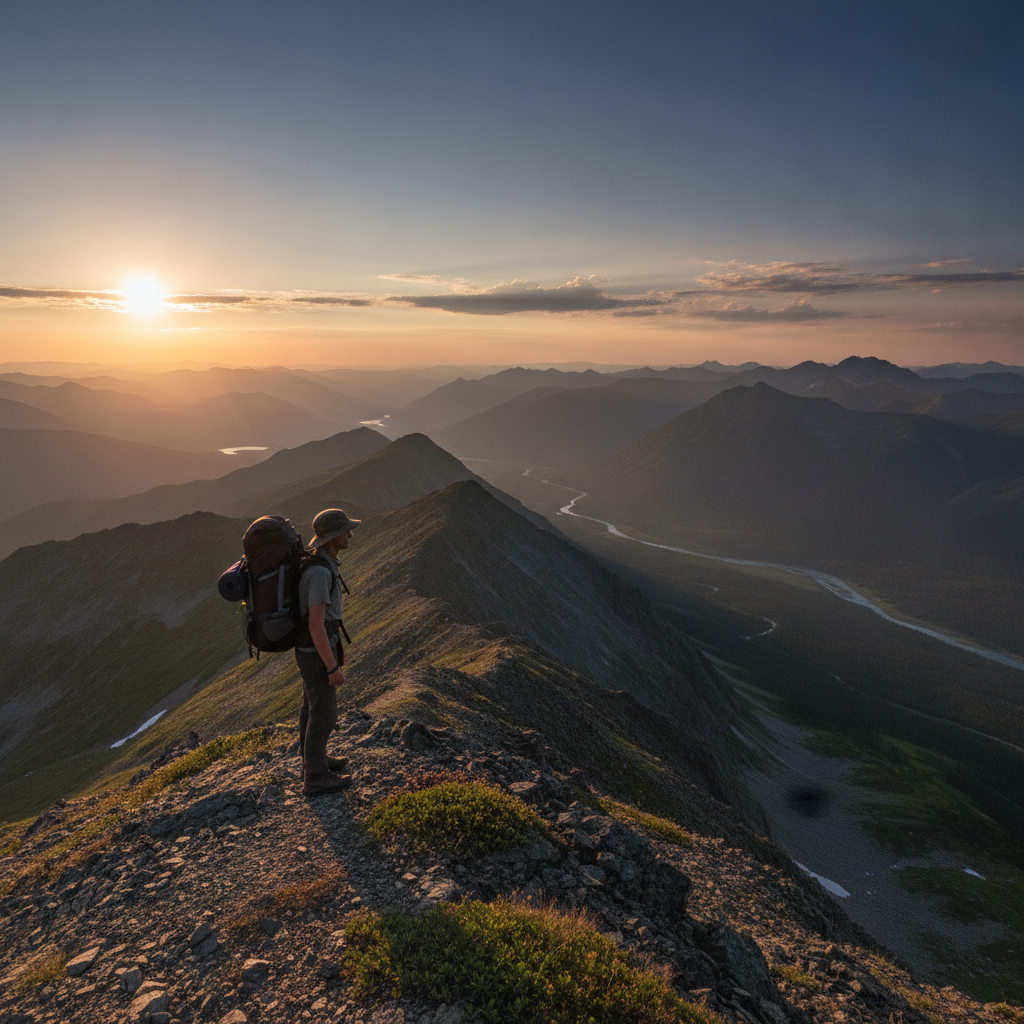
Embarking on your first backpacking trip is an exciting adventure, full of awe-inspiring landscapes and the pure joy of connecting with nature. But for newcomers, the sheer amount of gear and planning can feel overwhelming. Don't worry, this guide will break down the essentials, helping you prepare for a safe, comfortable, and unforgettable journey into the wilderness.
Choosing Your Backpack: The Foundation of Your Trip
The backpack itself is perhaps the most critical piece of gear. It needs to be comfortable, durable, and the right size for your trip duration. For a weekend trip, a 40-60 liter pack is usually sufficient. Look for features like adjustable suspension systems, padded hip belts, and multiple compartments to help organize your gear. Trying on different packs with some weight in them is highly recommended to ensure a good fit. Consider investing in a high-quality ergonomic hiking backpack for superior comfort on longer treks.
The Big Three: Shelter, Sleep, and Hydration
These three categories are non-negotiable for safety and comfort in the backcountry.
1. Shelter: Tent or Tarp?
For beginners, a lightweight, easy-to-pitch backpacking tent offers the best protection from the elements and insects. Look for tents that balance weight, durability, and livable space. If you're feeling adventurous and the weather forecast is favorable, a tarp can save weight but requires more skill to set up effectively.
2. Sleep System: Bag and Pad
Your sleep system consists of a sleeping bag and a sleeping pad. Choose a sleeping bag rated for the lowest temperatures you expect to encounter. Synthetic fill is a good option for wet conditions, while down offers superior warmth-to-weight ratio in dry environments. A sleeping pad provides insulation from the cold ground and crucial cushioning for a good night's rest. Inflatable pads offer the most comfort and pack down small.
3. Hydration: Filters, Bottles & Reservoirs
Staying hydrated is paramount. You'll need a way to carry water and purify it from natural sources. A water filter or purification tablets are essential for making stream or lake water safe to drink. Pair this with a reusable water bottle or a hydration reservoir (bladder) that fits inside your pack for easy access.
Navigating the Trail and Staying Safe
Even with the best gear, knowledge and preparedness are key. Carry a map and compass (and know how to use them) or a reliable GPS device. Inform someone of your itinerary and expected return time. Pack a first-aid kit, a headlamp, and extra layers of clothing. Always check the weather forecast before you go and be prepared for sudden changes.
Packing Smart: A Lighter Load is a Happier Hiker
When packing, always aim for the lightest load possible without compromising safety. Pack heavier items close to your back and center of gravity. Distribute weight evenly. Use dry bags or pack liners to protect essentials from rain. Practice packing your bag before your trip to ensure everything fits and is easily accessible. Remember the 'leave no trace' principles to protect the wilderness for everyone.
With these essentials, you're well on your way to enjoying the incredible experience of backpacking. Start with shorter, well-maintained trails to build your confidence and progressively tackle more challenging adventures. Happy trails!