Backpacking Food Storage: Keep Your Meals Fresh & Safe
Essential tips for backpacking food storage, from preventing spoilage to bear safety. Learn how to keep your trail food fresh and secure.
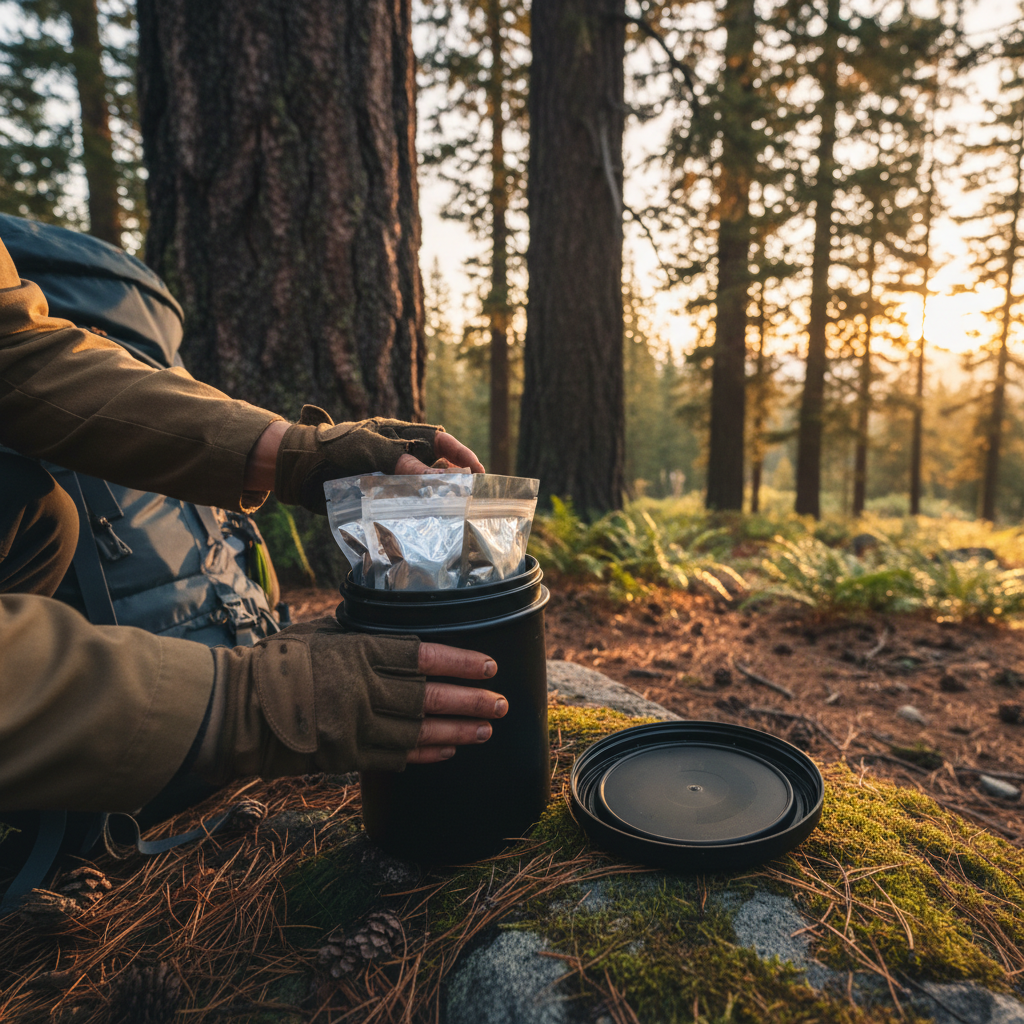
One of the most crucial aspects of a successful and enjoyable backpacking trip is proper food storage. It’s not just about keeping your gourmet trail meals from getting squashed; it’s about preventing spoilage, protecting your food from wildlife, and ensuring your safety in the backcountry. Neglecting proper food storage can lead to anything from a ruined dinner to a dangerous encounter with an animal.
Why Proper Food Storage Matters
Beyond keeping your hummus from exploding, there are several vital reasons to prioritize intelligent food storage:
- Preventing Spoilage: Backpacking often involves varying temperatures and humidity, which can quickly degrade food quality and lead to foodborne illnesses.
- Wildlife Protection: Bears, rodents, and other animals are incredibly adept at sniffing out human food. Storing food improperly can attract unwanted visitors to your campsite, posing a risk to both you and the wildlife.
- Weight & Space Optimization: Efficient storage minimizes bulk and weight, crucial for comfortable backpacking.
- Leave No Trace Principles: Proper food storage is a cornerstone of responsible outdoor ethics, minimizing human impact on natural environments.
Key Principles for Backpacking Food Storage
#### 1. Plan Your Meals Wisely
Choose foods that are lightweight, calorie-dense, and have a long shelf life without refrigeration. Dehydrated meals, nuts, seeds, dried fruit, and jerky are excellent choices. Repackage everything from its original bulky packaging into sturdy, lightweight, and often resealable bags. This significantly reduces trash and volume.
#### 2. Bear-Resistant Solutions
In bear country, bear-resistant food storage is non-negotiable. Always check local regulations for specific requirements, as some areas mandate the use of bear canisters.
- Bear Canisters: These hard-sided, often bulky containers are designed to prevent bears from accessing your food. While heavy, they are the most secure method and are required in many national parks and wilderness areas.
- Bear Bags (Counter-Balancing Method): If canisters aren't required, a bear bag hung properly can be an effective alternative. This involves hanging your food sack from a sturdy tree branch, at least 10-12 feet off the ground and 6 feet away from the tree trunk. The goal is to make it inaccessible to bears.
#### 3. Preventing Rodent & Small Animal Raids
Even if bears aren't a concern, smaller critters like mice, raccoons, and squirrels can quickly chew through unattended food bags. Store your food inside your tent or backpack only when absolutely necessary and always use a durable stuff sack. Consider using an odor-proof bag within your main food sack for an extra layer of protection.
#### 4. The Power of Vacuum Sealing
For extended trips or preparing meals in advance, a vacuum sealer can be your best friend. Vacuum sealing removes air, significantly extending the shelf life of perishable foods and preventing cross-contamination. This is particularly useful for raw meats, fish, or pre-cooked meals you want to keep fresh for a few days.
Products like the SealMate™ Pro make it easy to seal individual portions, keeping them compact and fresh until you're ready to cook. This is fantastic for sealing a portion of cheese, salami, or even your morning coffee grounds.
#### 5. Proper Hydration & Food Safety
Always use proper hygiene when handling food in the backcountry. Wash your hands or use hand sanitizer before and after preparing meals. Store raw meat separately from other foods to prevent cross-contamination. Treat all water used for cooking and drinking. (This blog post focuses on food storage, but good hygiene is key to preventing illness from food preparation in the backcountry.)
By following these essential backpacking food storage tips, you'll ensure your trail food remains fresh, safe, and out of reach of curious critters. A well-fed and secure backpacker is a happy backpacker! Enjoy your wilderness adventures with peace of mind.
Happy Trails!