Backcountry Food Prep: Keep Your Meals Fresh & Safe
Learn how to prepare and store food for backcountry camping trips using simple, effective methods to keep it fresh and safe.
Backcountry Food Prep: Keep Your Meals Fresh & Safe
Embarking on a backcountry camping or hiking trip means embracing nature, challenging yourself, and enjoying delicious meals under the open sky. However, keeping your food fresh, safe, and lightweight in the wilderness requires thoughtful preparation. Proper food prep not only prevents spoilage and contamination but also enhances your overall outdoor experience by ensuring you have nourishing and tasty fuel for your adventures.
The Golden Rules of Backcountry Food Safety
Before you even pack your bags, understand these fundamental principles:
- Cleanliness is Key: Always start with clean hands, utensils, and surfaces. Wash fresh produce thoroughly before packing.
- Keep it Cold (as long as possible): Aim to keep perishable foods at or below 40°F (4°C) to inhibit bacterial growth. This is crucial for meats, dairy, and some pre-cooked items.
- Prevent Cross-Contamination: Use separate cutting boards and utensils for raw meats and ready-to-eat foods if you can. In the backcountry, this means careful packaging.
- Cook Thoroughly: Ensure all meats are cooked to their safe internal temperatures.
Smart Food Choices for the Trail
Focus on foods that are lightweight, nutrient-dense, and have a good shelf life without refrigeration when possible.
Dehydrated and Freeze-Dried Meals
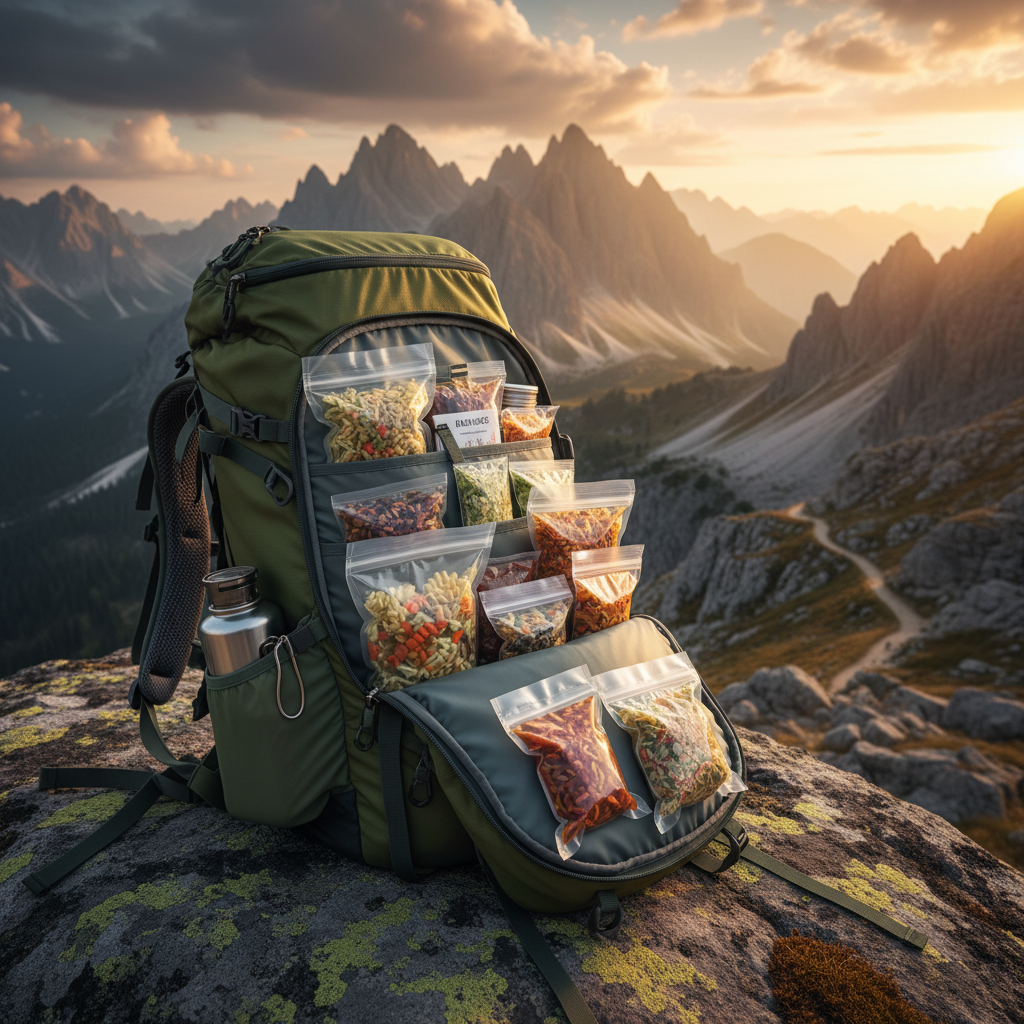
These are the backbone of many a backpacker's diet. They are incredibly lightweight, require minimal cooking (just add hot water), and have a very long shelf life. You can buy pre-packaged meals or dehydrate your own fruits, vegetables, and jerky.
Non-Perishable Staples
- Grains: Couscous, instant rice, quick-cooking pasta, oats.
- Legumes: Dried lentils, shelf-stable refried beans (in pouches).
- Nuts and Seeds: High in calories and healthy fats.
- Dried Fruits: Raisins, apricots, cranberries – great for snacks and breakfast.
- Hard Cheeses: Aged cheeses like cheddar or parmesan can last several days un-refrigerated.
- Canned Goods (sparingly): Tuna, chicken, or sardines in foil pouches are lighter than cans and provide protein.
Packaging for Success: Keeping Air Out, Freshness In
This is where smart packaging makes all the difference. Reducing exposure to air and moisture is critical for food preservation.
1. Repackaging: Get rid of bulky original packaging. Transfer dry goods like pasta, oats, and coffee into sturdy Ziploc bags. Label everything clearly with contents and cooking instructions.
2. Vacuum Sealing: For items like pre-cooked meats, sliced cheese, or even dry ingredients you want to protect from moisture, vacuum sealing is a game-changer. It removes air, significantly extends freshness, and prevents leaks. The SealMate™ Pro is an excellent portable option for sealing food both at home before your trip and even on longer basecamp adventures, ensuring your provisions stay fresh and compact.
3. Heavy-Duty Ziploc Bags: Use these for nearly everything. Double-bag items that could potentially leak (e.g., sauces, oils).
4. Hard Containers (limited): Small, lightweight containers can protect delicate items like bread or tortillas from getting crushed.
Meal Planning for the Backcountry
- Day 1 - Fresh Foods: Utilize your heaviest and most perishable items on the first day. This might include fresh sandwiches, salads, or pre-cooked chicken.
- Mid-Trip - Semi-Perishables: Move onto hard cheeses, cured meats, and sturdy vegetables that can last a few days without refrigeration.
- Later Days - Dehydrated & Non-Perishable: Rely primarily on your dehydrated meals and long-lasting staples towards the end of your trip.
Pre-portioning meals at home saves time, reduces waste, and makes cooking in camp much simpler. For example, measure out your oats, dried fruit, and nuts for each breakfast into individual bags. Similarly, portion out rice and spices for each dinner.
By taking the time to plan, select appropriate foods, and package them effectively—especially with tools like the SealMate™ Pro to lock in freshness—you can ensure that your backcountry meals are not only safe and delicious but also contribute positively to a fantastic outdoor adventure. Happy trails and happy eating!