Backcountry Food Prep: Keep Meals Fresh While Camping
Learn how to keep your food fresh and safe on multi-day camping trips. This guide covers packing tips, storage solutions, and food preservation.
Wilderness Wonders: Keeping Your Food Fresh During Backcountry Camping
There's nothing quite like a meal cooked under the stars, surrounded by nature's grandeur. However, when you're deep in the backcountry, far from a refrigerator, keeping your food fresh and safe becomes paramount. Properly managed food not only prevents spoilage and illness but also ensures you have the energy needed for your adventures. This guide will help you master the art of backcountry food preservation.
The Importance of Smart Food Planning
Before you even pack your backpack, smart planning is crucial. Consider your trip duration, expected temperatures, and the types of meals you'll be making. Prioritize non-perishable items, but for those fresh ingredients, a little foresight goes a long way.
Tips for Planning:
- Dehydrate or Freeze-Dry: For multi-day trips, dehydrated or freeze-dried meals are lightweight, compact, and shelf-stable. They rehydrate quickly with hot water.
- Portion Control: Pre-portion ingredients at home to reduce waste and bulk. Measure out spices, grains, and even liquids into small, labeled bags or containers.
- Pack Smart, Eat Smart: Plan to eat your most perishable items (like fresh meats or cheeses) within the first day or two. Save shelf-stable items for later in the trip.
Packing for Preservation: Your Cooler and Beyond
While a large cooler isn't always feasible for deep backcountry adventures, when you do bring one for shorter trips or car camping, packing it correctly makes all the difference.
- Pre-Chill Everything: Chill or freeze your food and drinks at home before packing the cooler. This helps maintain a low temperature longer.
- Ice Management: Use block ice instead of cubes, as it melts slower. Consider dry ice for extending freshness even further, but handle it with care.
- Layering: Place items you'll need first on top. Keep raw meats separate and at the bottom, securely sealed to prevent cross-contamination. Use towels or newspaper as insulation between layers if needed.
For truly lightweight trips where a cooler isn't an option, clever storage is key:
- Bear Canisters/Bags: Essential in bear country, these protect your food from wildlife and often keep it relatively cool and dry.
- Airtight Containers: Prevent leaks and keep moisture out. Hard-sided containers offer better protection against crushing.
The Role of Vacuum Sealing for Outdoor Adventures
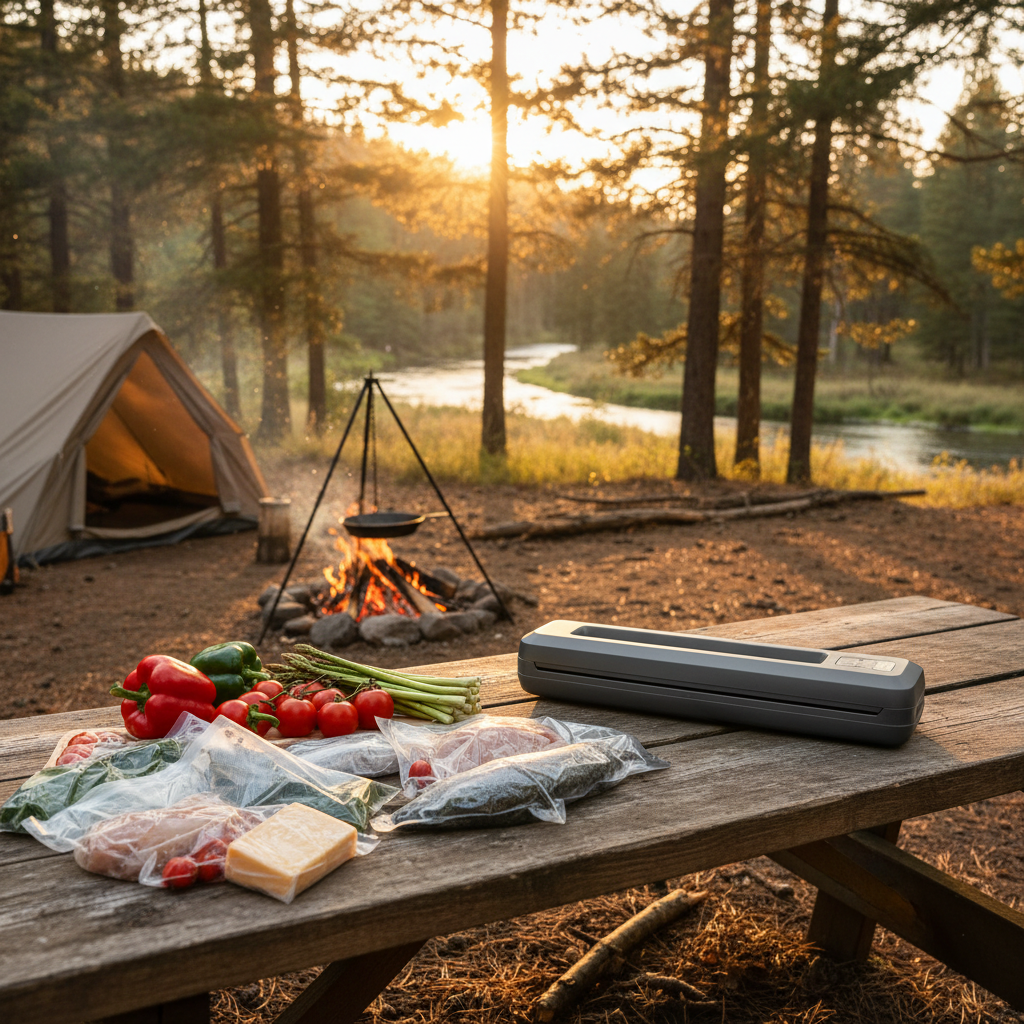
This is where modern technology truly shines for outdoor enthusiasts. Vacuum sealing removes air from food packaging, drastically extending its freshness by preventing oxidation and inhibiting the growth of mold and bacteria. It's a game-changer for camping, fishing, and general outdoor food prep.
Enter the SealMate™ Pro. This compact, wireless, and rechargeable vacuum sealer is an indispensable tool for any camper.
Benefits of Vacuum Sealing for Camping:
- Extended Freshness: Keep meats, cheeses, and even pre-cooked meals fresh for days longer than traditional methods.
- Prevents Freezer Burn: Ideal for freezing portions of meals before your trip, ensuring they taste great once thawed.
- Compact Storage: Vacuum-sealed bags take up less space, allowing you to pack more efficiently.
- No Leaks or Odors: Essential for preventing messes in your backpack and deterring wildlife attracted to food smells.
- Water Protection: Not just for food! You can vacuum seal matches, first-aid supplies, or electronics to keep them dry.
Imagine sealing your marinated steak or pre-cut vegetables at home, then simply tossing them into your pack knowing they'll be perfectly fresh for your campfire feast. The SealMate™ Pro makes this a reality.
Beyond Sealing: General Food Safety Tips
- Wash Your Hands: Always, always wash your hands with soap and water (or use hand sanitizer) before handling food.
- Cook Thoroughly: Use a food thermometer to ensure meats are cooked to safe internal temperatures.
- Store Away from Wildlife: Hang food in bear bags or place it in bear canisters, and never leave food unattended.
- Pack it In, Pack it Out: Carry out all food scraps and packaging, leaving no trace behind.
By combining smart planning, proper packing techniques, and the power of tools like the SealMate™ Pro, you can ensure that your backcountry meals are not only delicious but also safe and fresh throughout your entire adventure. Happy trails and happy eating!